
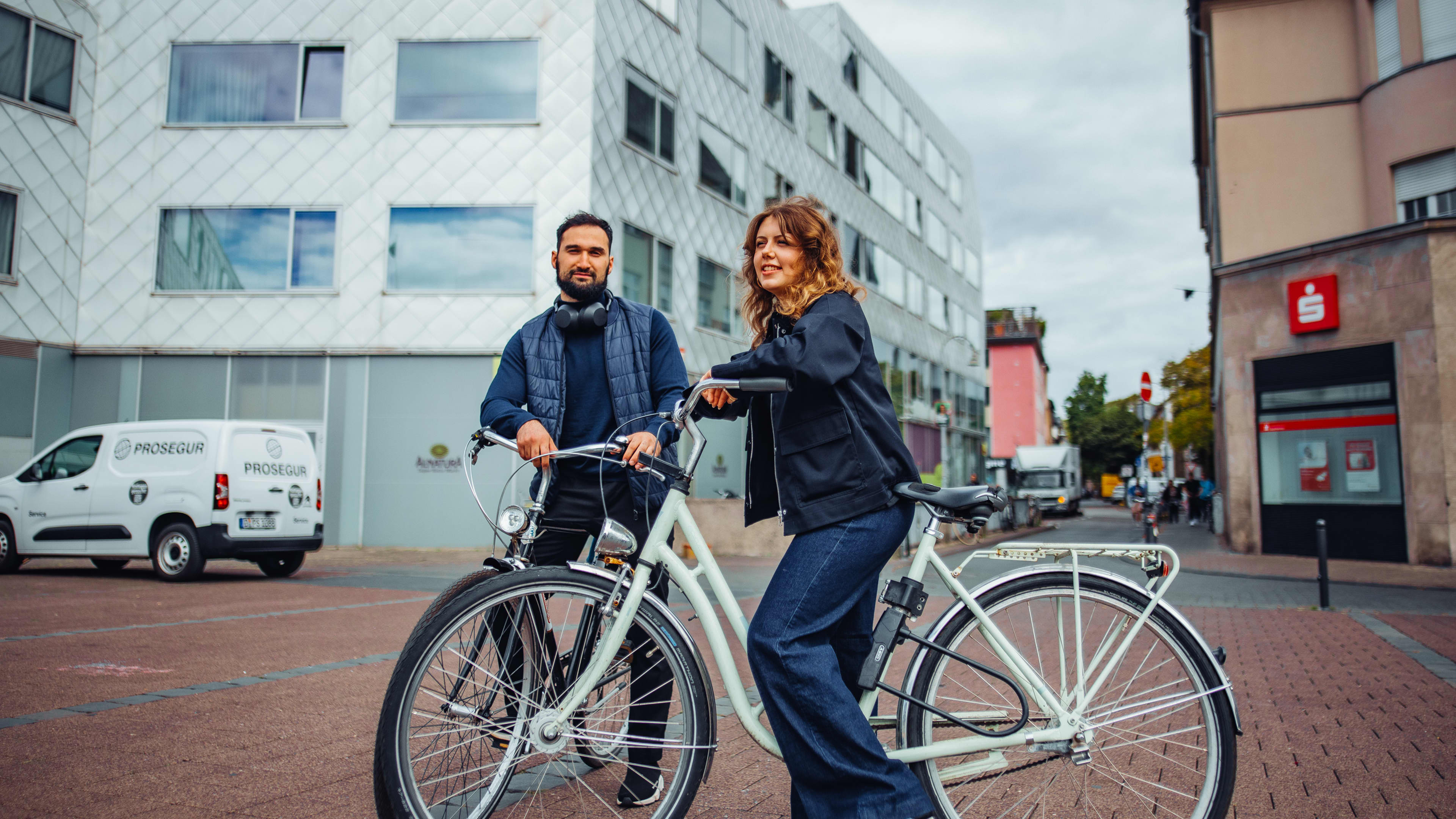
Isn't it exciting to move to a new country? Germany is one of the world's most popular destinations for international students, offering excellent universities, a high quality of life, and a welcoming international community. But as exciting as this new chapter is, moving to Germany also comes with its own challenges.
International students in Germany sometimes struggle with the unspoken rules and cultural customs of German life. And that's fair, given the extraordinary history and traditions there. But as international students in Germany reach record highs (there were more than 400,000 during the 2024/25 winter semester), it's more important than ever that they understand and adapt to German society.
We wrote this guide to offer you a complete overview of German culture, from history to values to traditions, and provide expert tips for a happy and successful life as an international student in Germany. By the end, you'll be well-equipped to start your new life in Germany.
A brief overview of Germany's cultural history
To say Germany is diverse would be an understatement.
Germany's culture has been shaped by its rich history over thousands of years. The country's central position in Europe and the European Union, as well as its constant interactions with its neighbours, have given Germany a unique cultural identity.
What's more, countless historical events have left their lasting marks on German values and society, from the Protestant Reformation to World War I and World War II to the Cold War. Famous philosophers, artists, authors, scientists, and musicians have all called Germany their home, and as a result, the country has made notable contributions to art, music, science, and literature.
All this has created a remarkable and entirely exciting society. However, Germany's uniqueness can make it challenging for international students to integrate. But with a little background reading (and armed with this article), you'll quickly settle into your new German life.
Understanding key German cultural values
Let's begin with the German people. It goes without saying that not every stereotype you hear is true, and not everything that's true is true for everyone. Yes, many Germans care about punctuality and directness, but that doesn't mean they're being cold or rude.
German culture is built on several core values: order, honesty, and respect for the rules. This is reflected across all German customs, traditions, and daily life, from work to social interactions. The country's values are deeply rooted in Germany's history and shape how its citizens communicate and behave.
Punctuality, order, efficiency, and a strong work ethic are key defining features of German culture. Being punctual is considered a sign of respect in Germany, reflecting a structured and orderly approach to life. This means showing up on time for friendly gatherings, work meetings, events, appointments and - crucially - university classes.
As a foreigner living in Germany, make sure you plan carefully and always let someone know if you are running late. Plan travel time and aim to arrive early - chances are, most people will already be there!
But this focus on punctuality and order still leaves room for relaxation. The German work culture is all about finding a strong work-life balance to help you stay productive. Many Germans keep their work and personal lives separate, valuing a defined work-life balance. The average work week in Germany is around 33.9 hours, and most companies encourage or even require employees to take their full 25–30 days of annual leave, with unused leave generally allowed only in exceptional cases.
Communication in Germany is straightforward and direct. International visitors often misread this as rude, but it's actually intended to be honest and efficient. This directness means German people typically express their opinions clearly, so you should have less trouble reading them or understanding their intentions.
If you want to test out your German language skills, remember to use polite greetings and expressions of gratitude (as good social etiquette dictates), such as bitte (please) and danke (thank you).
Top Tip: As an international student studying in Germany, you'll likely receive a lot of direct, frank feedback. Try not to take this to heart, as it's intended to be constructive and positive.
If there's one thing to remember about German culture, it's that you should always follow the rules. This includes:
Sorting recycling into the correct bins
Obeying traffic signals before crossing the road
Respecting quiet hours (called Ruhezeit)
Don't worry - you won't have to stress over a thousand different rules. Just do what other people do (Germans love to lead by example). Follow the rules, and you'll fit right in.
Additionally, personal space is highly valued in German culture. Many Germans might seem reserved at first, but that's because they value their space and time. You'll also find this in conversations, as most Germans use formal titles or polite addresses until they're invited to use first names.
During the early stages of relationships (friendly or otherwise), personal questions about salary or family may be considered a little intrusive. It's best to respect someone's privacy rather than prying for an answer.
Practical tips for everyday student life
Navigating student life can be challenging in any country, and Germany is no different. Still, with the right guidance and support, you'll find that integrating into your new university is easy. Plus, at international universities like IU, lots of people will be in the same boat as you!
Take a look at our seven practical tips for international students to help you settle into student life in Germany.
1. Don't be afraid to ask for help
University can be scary, but your classmates and teachers are always there to help. Germany is known for being very welcoming and progressive, with many institutions championing gender equality and disability rights. As such, you'll always find support where you need it.
At IU International University of Applied Sciences, you'll receive top support from day one during our orientation week. Furhtermore, you'll have constant access to our career services, visa assistance, study coaches and student office, as well as our large student network.
Here’s what to expect as you arrive and settle into your on-campus student life at IU.

2. Take advantage of student discounts
Who doesn't love a good money-saving opportunity? As an international student in Germany, you'll be eligible for a wide range of student discounts, including services such as Spotify and Microsoft 365.
You can also benefit from discounted public transport through your university, as well as reduced admission to many museums, cinemas, and other cultural attractions.
3. Join a university group or extracurricular activity
Joining a university group is one of the best ways to meet people and make new friends. Societies, sports clubs (Vereine), and language tandem classes are all great places to socialise and surround yourself with like-minded friends.
Most German universities offer a mix of in-person lectures and independent study, allowing you time for extracurricular activities like sports and socialising.
4. Make an effort with new people
Attending a new university in a new country requires a level of effort on your part to socialise and make friends. Trust us, it's worth it!
German society is multicultural and diverse, which can make it easier for international students to connect with others. If you socialise with German speakers, remember to use the correct form of address (use Sie for professors and strangers, and du for friends and peers).
5. You can't shop on Sundays
In Germany, Sundays are considered rest days, owing to long-standing Christian traditions taken from the Catholic Church. This means most shops and services are closed for the entire day. Plan your grocery shopping accordingly, and make sure you're not missing anything by the time Sunday rolls around!
6. Take public transport
Many universities offer students a Deutschlandsemesterticket, usually billed in addition to your tuition fees. This digital ticket covers public transport trams, buses, U-Bahn, S-Bahn, and most regional trains throughout Germany, subject to the ticket's terms and conditions. It is not valid on long-distance trains or with most private long-distance operators.
The ticket is personalised - always carry it with a valid photo ID.
Traveling without a valid ticket or validation risks a €60 fine.
Activate your ticket online; it becomes available shortly before the semester starts.
For trips beyond your Semesterticket's coverage (e.g., long-distance travel), you can easily buy tickets via a station ticket machine or online (e.g., the DB App).
7. Sort accommodation early
Finding accommodation in Germany, particularly as a student, can be challenging and competitive. That is why we recommend getting any accommodation sorted as early as possible!
Shared flats (known as Wohngemeinschaften or simply WGs) are the most popular option and can be a much more affordable way of living in expensive cities like Munich.
Start your search on major property portals such as ImmobilienScout24, Immonet, and Immowelt. Additional options include HousingAnywhere, Uniplaces, and Spacest. You can also check eBay Kleinanzeigen, WG-Gesucht, Spotahome, Facebook groups, and university housing boards for more listings.
Embracing German traditions and festivities
What kind of traditions and festivities will you find in Germany? The great thing about Germany is that it has a varied regional diversity, and this is reflected in its rich dialects, cuisines, and festivals. In other words, there's plenty to immerse yourself in.
Food and drink culture
Germany is in the heart of Europe and boasts a diverse population, which means its cuisine draws influences from all kinds of diverse and international dishes. The most famous and traditional German cuisine is hearty and comforting, including foods like Bratwursts, Pretzels, Schnitzel, and other meats, breads, and cakes.
For a typical breakfast in Germany, you'll usually eat a selection of breads, meats (cold cuts), and cheeses. For lunch (the largest meal of the day), you'll often eat a hearty meal of meat, potatoes, and vegetables.
Since the first two meals are rather heavy on the stomach, dinner in Germany is usually lighter, such as a sandwich or noodles. That said, some people also treat dinner like breakfast and eat a ceremonious selection of bread, cold cuts, and cheeses. For dessert, you might fancy a traditional German cake like Black Forest cake or an apple strudel (or Stollen around Christmas time).
When it comes to washing all this down, beer and coffee are the go-tos. Germany has a widespread coffee culture, with many cafes in urban areas. In fact, many Germans enjoy Kaffee und Kuchen, a tradition of meeting for coffee and cake in the afternoon (a popular weekend activity for families and friends).
And beer is by far the most popular alcoholic drink in Germany. There are nearly 2,700 breweries in Germany, with over 5,000 different styles. Beer is so ingrained in the German lifestyle that it's always in sight. In winter, the pubs and Christmas markets are packed across all German towns. In summer, beer gardens (Biergärten) line the German streets. As far as customs and traditions go, many people say beer is the most significant.
Want to learn more about German cuisine? Here are some extra German food stats for you:
Pork is the most popular and widely consumed meat in Germany.
There are more than 1,500 different types of sausage in Germany.
Top Tip: Visit multiple parts of Germany to try regional specialities and discover the full extent of German food culture!
Major German holidays and festivals
As you can probably tell, Germany is renowned for many things. One of these is its numerous festivals throughout the year that emphasise and celebrate the country's rich cultural heritage. Walk into any German festival, and you'll likely find live music, traditional food and drinks, and busy street markets.
Here are some key German celebrations you can look forward to as a student:
Christmas (Weihnachten): Christmas in Germany is magical, with beautiful Christmas markets (Weihnachtsmärkte) lining the streets and cosy, decorated German households. It's also a time for family and community, two strong traditional values in Germany. At Christmas (and throughout the year), quality time with family is important. In fact, many Germans prioritise it over professional commitments (especially at Christmas).
Oktoberfest: Oktoberfest is the largest beer festival in the world. It's held every year in Munich and starts in September, attracting millions of visitors who like to enjoy traditional beer and pretzels. If you go, make sure to dress up in your finest Dirndl or Lederhosen (traditional German dresses and trousers)!
Carnival (Fasching): Carnival is a colourful and lively celebration that marks the start of Lent (the Christian season of fasting before Easter). It's a long-held tradition in Germany and especially vibrant in Cologne, where huge parades and unique costumes fill the city.
German Unification: The Day of German Unity (Tag der Deutschen Einheit) marks the reunification of East Germany and West Germany on October 3rd, 1990, a hugely significant historical event that continues to impact German culture even today. It's celebrated every October 3rd.
Top Tip: Remember that there are no classes on public holidays, and many people have the day off work. These include Good Friday, Easter Monday, Labour Day, Christmas Day, and Boxing Day. Always check local calendars for regional public holidays and events.
Art, music, film & literature in Germany
German culture is characterised by significant contributions to art, music, philosophy, religion, science, and technology. Some of the most famous people in the world were German, from Albert Einstein to Karl Marx to Ludwig van Beethoven.
As an international student living in Germany, you have a lot of culture to look forward to. Here are just some of the ways Germany has contributed to art, music, film, and literature:
Art: Many influential art movements (from Expressionism to the Bauhaus) originated in Germany, and German art has evolved through historical periods, including the Renaissance and Romanticism. Famous German artists include Albrecht Dürer and Max Ernst.
Music: Traditionally, Germany has a classical music heritage, giving the world composers like Bach and Wagner. But the country also has a rich history of folk music, often performed at popular festivals like the Cannstatter Volksfest in Stuttgart (one of Germany's largest folk festivals that features spectacular parades and large beer tents).
Film: German cinema has produced many influential directors, actors, and films that have notably shaped the industry. Some of the best German films include Das Leben der Anderen and Good Bye, Lenin. And if you're a cinephile, head to the Berlin Film Festival (known locally as the Berlinale) to see one of the world's most prestigious film festivals.
Literature: German literature also has a deep history. Famous German authors include Goethe, Kafka, Schiller, and many notable Nobel Prize for Literature winners, including Thomas Mann and Hermann Hesse. If you're a bit of a bookworm, you might want to visit Frankfurt while you're in Germany - the city is home to the Frankfurt Book Fair, the world's largest annual book fair.
Ease into your German life with IU
Adapting to German culture requires an open mind. While it may take a few weeks or months to get used to the punctual and direct attitudes (and to remember that shops are closed on Sundays), embracing cultural differences can make the transition much smoother! Taking the time to understand local customs, respecting social norms, and being patient with yourself will help you feel more comfortable in your new environment.
At IU, we make your experience as rewarding as possible. Here's how:
English-Taught Programmes: All our bachelor's and master's courses are taught in English. With no language barrier, you'll be able to focus on your studies from day one and meet fellow English-speaking students easily.
Multicultural Community: There's a growing demand for international education in Germany, driven by an expanding international community. At IU you'll find a diverse hub of teachers and an international student community with peers from over 190 countries, making your integration much easier.
Career Opportunities: We offer career-focused education with strong industry ties and networks. With the opportunity to apply for an 18-month post-study work visa, you'll have no problem finding a job in Europe's strongest economy!
At IU, you'll be given full support to embrace life as an international student in Germany and immerse yourself in the culture. Grab this opportunity for personal and professional growth with both hands - we're right behind you.
Want to learn more about how to study in Germany? Take the next step and get in touch with us today!
And for further questions, check out the IU Knowledge Base for more articles, FAQs, and student stories.
FAQs
Being a student in Germany is so much fun. The education is world-class, and the cities are vibrant. There's always something going on, whether as part of your university course or in your local community, and you'll find plenty of like-minded people and opportunities for growth.
Very easily! German culture is very diverse and full of international charm. Germans are very welcoming to foreigners - including international students - and you may even find communities from similar backgrounds to ease your transition into the German way of life. IU students have the opportunity to participate in various social events to help them find connection more easily.
It's not essential, but it's a very good idea especially looking at your employability in Germany. German is the official language and the most widely spoken (by around 95% of the population). Knowing German, even basic comprehension, can enhance your career prospects and everyday life in Germany. That is why IU offers German language courses at our Cologne campus for an affordable price especially designed for beginners!