

Inclusion and diversity in the workplace are no longer optional. They have become essential factors that shape how people choose where to work. But what does this mean for employers in Germany and beyond?
Here at IU International University of Applied Sciences, we conducted a thorough study of recent graduates to gauge priorities and expectations regarding diversity in the workplace.
What we found confirmed the urgent need for diversity: most young professionals in Germany expect employers to take clear action on inclusion.
Young graduates entering the workforce in Germany are looking for workplaces that are fair and genuinely inclusive. Download our report today to discover what matters most to graduates and how employers can respond.
What is a Diverse and Inclusive Workplace?
Let's first distinguish the two different terms: diversity and inclusion. The report gives a very clear definition of each. In essence, diversity concerns the differences between people, while inclusion refers to the legal rights these different people have in society and the workplace.
Why is a Diverse and Inclusive Workplace Important?
Workplace diversity and inclusion matter because they allow more people to participate in working life and feel respected in the process. They also bring tangible benefits for businesses.
A team made up of different perspectives might come up with an unexpected idea or solve a problem in a way no one saw coming. Ethnic diversity in the workplace might even help connect with customers or other businesses. In the long run, those advantages can make an organisation far better at handling change.
Report Highlights: What the Data Says
Our extensive report gathered responses from over one thousand trainees and students in Germany. It provides a clear picture of what the next generation of workers expects from their employers.

What the Survey Found...
Three out of four respondents want companies to take meaningful action on diversity and inclusion.
More than a third say that equal opportunities are one of the most important factors when choosing where to work.
Nearly nine in ten believe managers should lead by example when it comes to inclusion.
Fewer than one in four say they regularly see companies sharing their diversity and inclusion efforts.
The message is clear. People want to work for organisations that are open, fair, and willing to show what they stand for.

What Do Employees Expect?
Young professionals today are not just looking for a job. They are looking for a workplace that respects them as individuals. The vast majority of people surveyed said they valued these key priorities:
Equal opportunities, regardless of gender, background, sexual orientation, or disability.
A culture that welcomes different personalities, beliefs, and appearances.
Honest and respectful communication during the hiring process.
A working environment where everyone feels valued and treated fairly.
Before applying for roles, many are already researching employers online. They are paying attention to how companies present themselves and what their values are. Jobseekers can also spot if companies seem genuine rather than just virtue signalling.
Check out our dedicated careers service for help finding the perfect employer or exploring career options.
Inclusion in the Workplace: How to Build a Supportive Culture
Creating an inclusive culture means going beyond policies and targets. It involves how people are hired, their social channels, how they are supported over time, and even how they are treated when they leave (although an inclusive environment generally improves employee retention).
The Importance of Inclusive Leadership
Good leadership sets the tone. The study found that more than 90% of respondents want their managers to take steps to build a workplace where everyone feels heard and appreciated. A large majority also believe that managers should receive proper training to support a more inclusive culture.
Supporting All Age Groups and Backgrounds
Inclusive workplaces recognise the value of people across different age groups and life experiences. And leadership must focus on creating fair opportunities for growth, no matter a person’s demographic characteristics.
What Helps Employees Feel Included?
Our study shows that people appreciate practical efforts that support inclusion. These include:
Clear promotion pathways
Open feedback channels
Flexible work options
Accessible workspaces
Employee resource groups
Regular training and awareness initiatives
These efforts help employees feel they truly belong and have the chance to reach their full potential.
The Value of a Diverse Workforce
A workplace with people from different backgrounds and perspectives is better prepared to grow. Our study highlights how diversity can directly support innovation and success.
Why Diversity Matters for Business...
Teams that reflect a range of views are more creative and better at solving problems.
Companies that understand different communities are better positioned to serve them.
Embracing gender diversity, sexual orientation, and gender identity strengthens team culture and encourages long-term retention.
Diversity in Germany
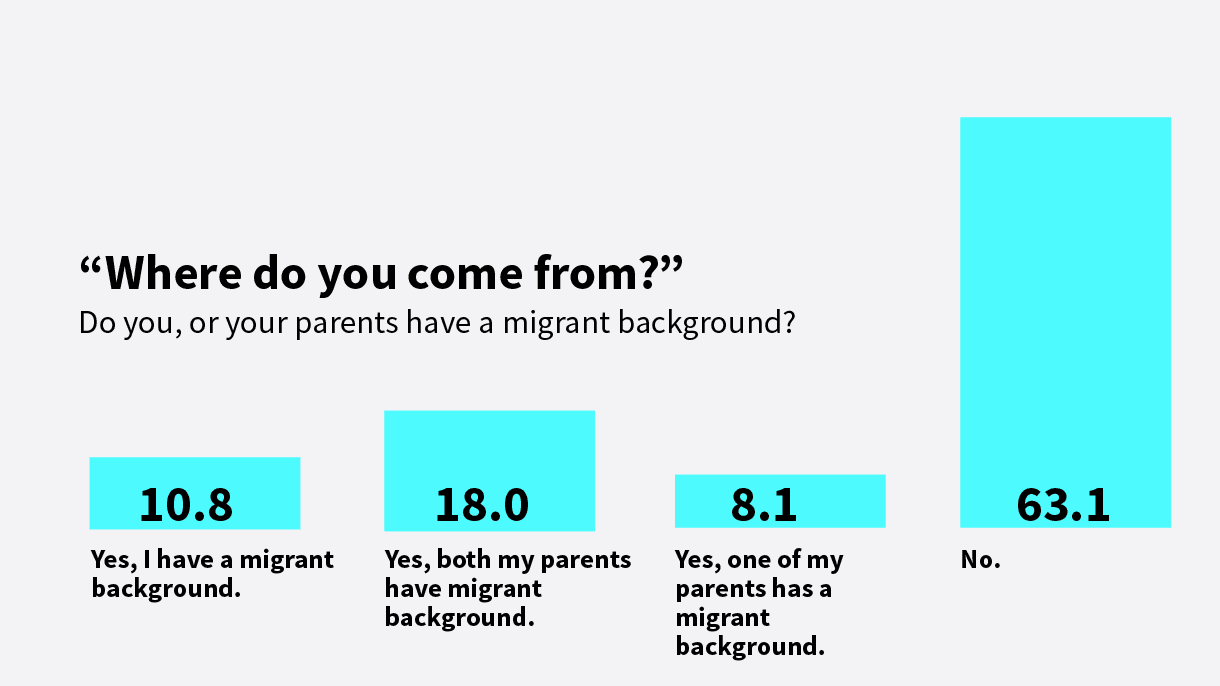
Germany is among the most diverse countries in the European Union, and that variety shows up in its workplaces. Our report found that over a third of respondents had a migrant background. A similar share said they do not identify with any religion. We also made sure to include a wide range of gender identities and sexual orientations across our respondents.
The country’s legal system already includes protections against discrimination, particularly in Article Three of the Basic Law. But today’s workforce is not just looking for legal compliance. They want companies to live these values in a visible and consistent way.
If you're an international student thinking about working in Germany, read our handy guide.
Inclusion Across the European Union
This study looks at Germany, but the wider European Union also shapes how equality and inclusion are approached. Across the bloc, many countries are updating workplace standards to keep pace with changing populations.
Companies operating across the European Union should ensure that their inclusion efforts are not merely symbolic. They need to be supported by real action and a clear understanding of the diverse communities they employ and serve.
Download the Full Report Today
If you want to understand what really matters to the next generation of skilled workers, download and read our full report now. You'll learn:
What young professionals care about when choosing an employer
Which workplace values are non-negotiable
What companies can do to build a more inclusive and welcoming culture
Fill out the short form to download your copy. You’ll get fresh insights into what it means to make a truly inclusive workplace — and why it is the way forward.
Download the reportWhat Our Experts Say

Prof. Dr Sonja Würtemberger
Professor of Human Resource Management at IU
"Inclusion is the responsibility of everyone in the company – not just of a single person or a diversity management department. However, many people do not realise what is being done behind the scenes by these departments to create processes that enable equal opportunities and promotion prospects for all.“

Prof. Dr Katharina-Maria Rehfeld
Professor of Human Resources at IU
"Employees expect teamwork, fairness, friendliness and social responsibility from employers – these are essential characteristics of an inclusive corporate culture. Diversity and inclusion are not a goal, but rather a decisive factor in creating this kind of culture.“