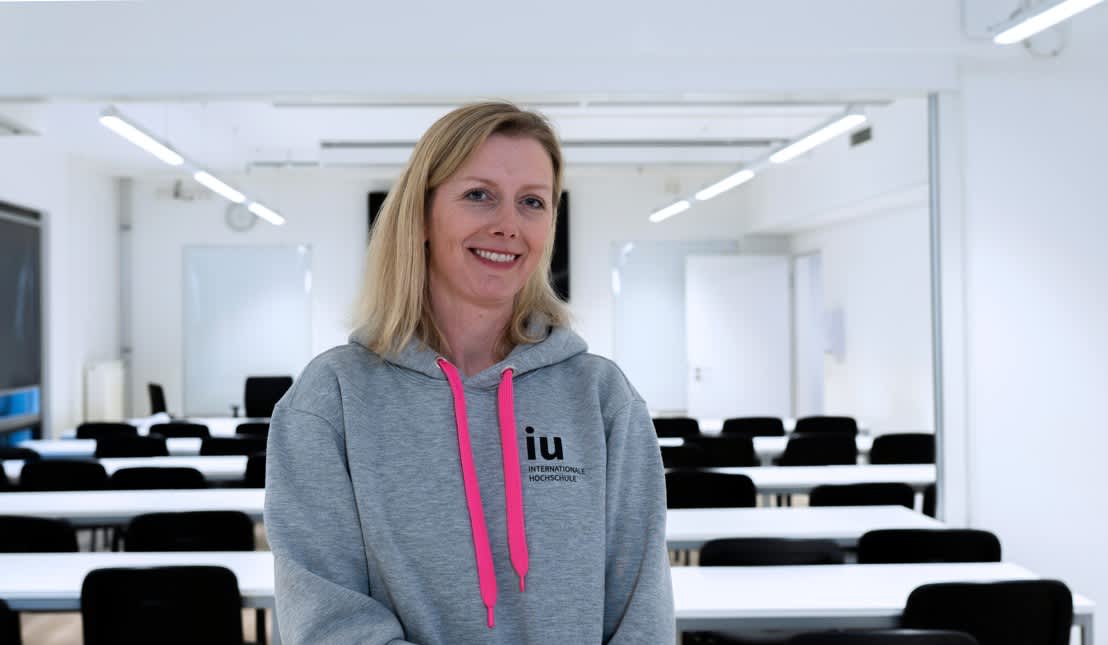

IU International University of Applied Sciences now has campuses in Berlin and Cologne, but which one is right for you? We've laid out all the essential details about these two German cities to help you compare them.
Some courses are taught at both places, but you'll want to commit to one place or the other. The two cities are nearly 600 kilometres apart, and it would take you an average of five and a half hours to drive between them.
Find all the information on the differences between Berlin and Cologne in this page to discover the best city for you.
How Are City Lifestyles Different in Berlin and Cologne?
Choosing where you study can be difficult, and it's not always about the university or course. Are you looking for a lively nightlife scene? A place of history and tradition? And what about cafes, cost of living, space, greenery, and housing?
Berlin and Cologne differ slightly in these respects. Check out the table below to see how:
Question
| Berlin | Cologne |
|---|---|---|
What's the culture like? | Vibrant and exciting atmosphere, embracing spontaneity. A wide range of historical and modern places to explore. | Relaxed and friendly atmosphere, with open-minded residents. Plenty of fun events to enjoy, such as the Kölner Karneval. |
What's the cost of living like? | An average of around €1,012 per month, excluding rent. | An average of around €1,064 per month, excluding rent. |
How big is the city? | Largest city in all of Germany. | Fourth-largest city in all of Germany. |
Is it popular with expats? | Yes, due to its welcoming and diverse population of approximately 3.7 million people. | Yes, due to its sociable residents. The population of Cologne is approximately 1.1 million. |
What can I expect from the pace of life? | Bustling and lively. Often compared to New York City. | Very easy-going, with an emphasis on comfort and community. |
What can I do after my in-person classes? | You can enjoy live performances, check out clubs and bars, and engage in fun urban activities such as slacklining. | You can unwind in historical sections of the city, such as the Old Town (Altstadt), explore the numerous museums, and attend social events. |
For 2026, our programmes for new students will be offered at the Cologne campus.
How Are the IU Campuses Different in Berlin and Cologne?
IU has campuses in Berlin and Cologne, and they differ slightly in their layout and available courses. While you won't be able to study in both at the same time (within reason), you could still do your bachelor's in Berlin and then switch and complete a master's in Cologne. This is a great option if you want to continue your IU journey in a smaller city.
Question
| Berlin | Cologne |
|---|---|---|
What can I expect from the campus? | A great place for undergraduate studies. At Berlin's IU campus, you'll receive a world-class education, giving you a solid foundation for your academic journey. You can also choose to further your education with master's degrees offered ion Berlin. | A very popular option for those interested in further studies. At the Cologne IU campus you'll be equipped with the tools and knowledge to choose your career. |
Which programmes are available? |
| |
What's the student community like? | Around 200,000 students in the city, 25 percent being international. | Approximately 80,000 to 100,000 students in the city, 14 percent being international. |
What are the post-study employment options? | Many companies are based in this city, with a wide range of start-ups calling it home. Undergraduates might find that the corporate lifestyle in Berlin is very competitive, but the work-life balance is rewarding. Notable companies include:
| Ideal for students hoping to break into broadcasting and corporate industries. Cologne is at the centre of German media business culture, with direct links to companies such as:
|
What benefits are there of the campus location? | Located in Germany’s capital, our campus offers students a unique introduction to European history and vibrant modernity. Iconic landmarks, cutting-edge tech hubs, dynamic business districts, and a thriving alternative scene surround the campus in Berlin. | You will benefit from an excellent public transport system in Cologne, making it easy to navigate both the city and the wider region. With direct links to exciting European capitals such as Amsterdam, Brussels, and Paris, our campus is perfectly placed to explore what Europe has to offer. |
What are the accommodation options? | Berlin has the highest number of hotels and living spaces in Germany. Most students opt for shared living spaces or university-affiliated dorms. Learn more in our guide on finding acommodation in Berlin. | A mix of modern student apartments and shared accommodation. Temporary housing, such as sublets, is also sometimes available. |
What Can I Expect as an IU Student in Berlin?
In Germany's capital, you'll begin your time as an IU student. This is certainly the place to be if you're looking for excitement and the chance to network with the international academic and work community. You can use a student residence permit to work whilst you complete your course. The hospitality industry in Berlin regularly employs undergraduates.
Despite being known for its nightlife, the city's most frequented institutions are its libraries, which attract more than nine million visitors each year. This makes sense when you realise a huge number of students call Berlin home.

Berlin is a major cultural hub, with a diverse range of leisure options, which include:
Art galleries
Theatres
Museums
Nightclubs
Bars
Music venues
Green spaces
Students can take advantage of discounts available at numerous shops, venues, and transport networks. There are also inexpensive food options available to help reduce your cost of living. This includes reasonably priced local eateries and chain grocery stores.
What Can I Expect as an IU Student in Cologne?
To Deutschland natives, this city is known as Köln, but you'll likely be calling it Cologne. This area is better if your focus is on affordable housing and a more laid-back way of life. There are hospitality and retail work positions available for students.
If you're a fan of history, there are plenty of well-preserved Roman and medieval-era sites to explore. Cologne Cathedral is one of the most visited attractions in all of Germany. Cologne also has a wide array of historical and modern museums, such as:
The Museum Ludwig
The Wallraf-Richartz Museum
The Chocolate Museum
The Roman-German Museum
The Kolumba art museum

Students will find that there's always something to do in the city, whether it be attending music events or themed bar nights. If you want a more relaxed day, you could escape to Cologne's green spaces, like the Botanical Gardens.
The Kölner Studierendenwerk (Cologne Student Services) can provide you with support when it comes to student amenities like affordable housing and dining. A number of museums and venues offer student discounts.
Is Berlin or Cologne Better For Me?
If you're basing your decision on quality of life, then both cities are more or less equal. The differences seen in the average cost of living are also minor. So the choice will come down to personal preferences.
The best city out of these two will depend on what you're looking for. If you want to experience the many different sides of Germany, then you could make the switch from Berlin to Cologne. It will certainly appeal if you have enjoyed enough of the eventful student life in Berlin and are looking for something a bit quieter.
It makes sense to make the most of your time studying in the country by living in two very different cities. This will allow you to appreciate Germany's diverse and rich history. If you fall in love with the country, you might want to live and work here permanently. Once you have completed your education with IU, you can use the local job market networks to begin your full-time employment.
FAQs
Award-winning education at IU
Do you have any questions?
Visit our FAQ page or get in touch with our Study Advisors.